

Welcome to The Checkout 🛒
A new series exploring how the next generation of CPG brands are being built, from first batches to first listings.
What ends up in the cart is rarely random. It reflects habits, trade-offs, and the small upgrades we justify somewhere between the aisle and the checkout. This is where challenger brands are tested, in whether they earn a place in our weekly grocery runs - repeatedly.
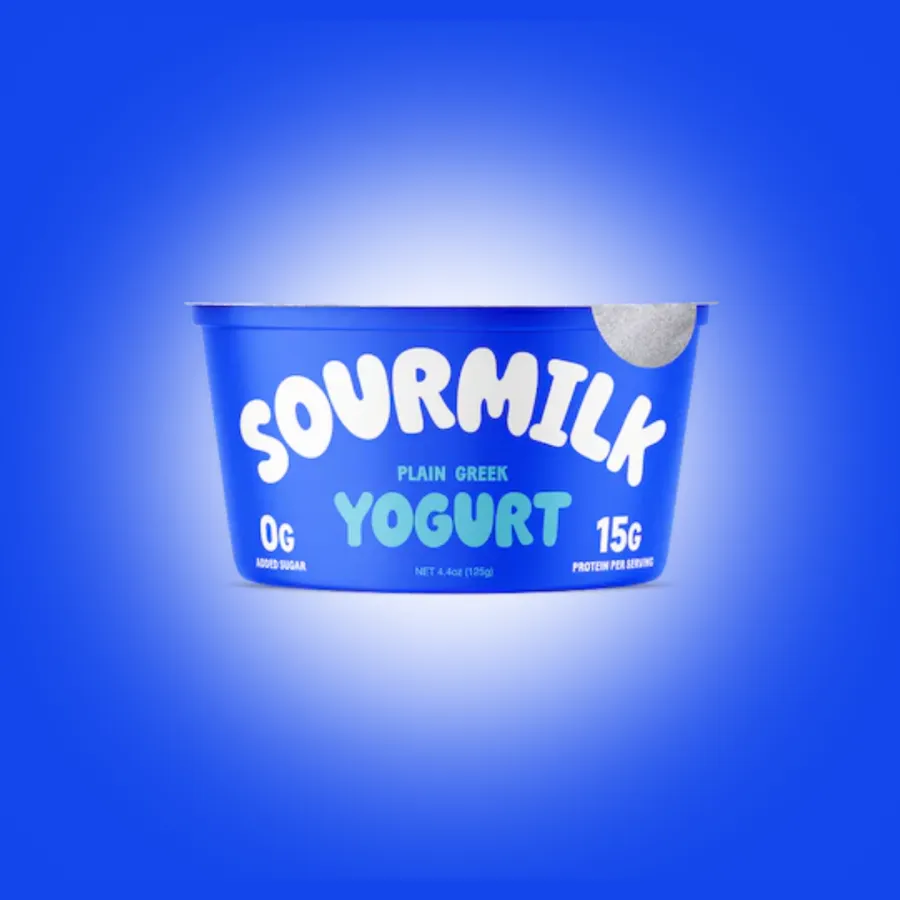
From launch to loyalty, I spoke to Elan Halpern, co-founder of Sourmilk, about how the brand is building in public and finding its way into the cart. Built by Stanford-trained founders who traded tech for cultured dairy, rooted in grass-fed, organic milk, the brand is turning guerrilla marketing into repeat purchase.
Was building in public a conscious part of your go-to-market from day one?
The moment Kiki and I decided to start a company, we knew that building in public was going to be a part of our go-to-market strategy. I had seen this play out before. I was in tech before this. I worked at a web3 B2B SaaS crypto company for four and a half years, and I had seen people building in public, it was very community-driven and there was a sense of buy-in on a product and on a company that you don’t typically get when you’re selling something to customers.
I had this realization that especially when you’re building in consumer, marketing is going to be such an important part of your strategy. How do we get people to feel like they’re not just being sold to, but they’re actually getting value out of following us? The way we provide value is by sharing interesting content and sharing our process.
From day one, even if we didn’t know what we were building, we would have always done it this way in terms of building in public.
For CPG founders who didn’t start out building in public, is it something they can meaningfully adopt later?
No, it’s 100% possible. I don’t think it’s ever too late.
When we started, our hook on social media came from my co-founder posting a video on TikTok. It’s actually really funny.
We knew we had to be posting content and that we were going to build in public, but at the time Kiki and I are very similar, so we weren’t sure how roles would be split. The product and yogurt process was something I’d always been doing — I’ve been making yogurt for three years, so I knew I’d own that side. But from a marketing standpoint, it was both of us in the beginning.
In the beginning, we were both posting and tinkering with content. Kiki made her first video. We decided to post on TikTok first because we thought none of our friends were on TikTok, so no one would see it, it would just be a test. Turns out everyone is on TikTok.
The first video was: “I’m quitting my job in private equity to start a yogurt company with my best friend.” We didn’t have a name, we weren’t selling anything, we were just telling the story. That video got around 400k views overnight. It was nuts because we thought we’d need to post every day for months to get traction. It was just immediate, this is compelling, and Kiki is really good at this format. From there it was clear Kiki would handle video content, TikTok, Instagram, Reels, and I’d handle long-form content. I write our newsletter every week, do LinkedIn posts, and we both do podcasts.
To go back to your question, it’s never too late. There are always interesting things happening at a company. We’re pretty open books at this stage.
.png)
Did you grow up around entrepreneurship, or is this something you came to more independently?
It’s funny, Kiki and I both went to Stanford, and it really does breed entrepreneurs. Half of our friends have started companies.
I think there are two types of founders. One is “I was born to start a company” - they’ll go through multiple ideas until they find product–market fit. A lot of founders we know are like that.
The other type stumbles onto a problem they’re genuinely excited about. I’d put myself and Kiki in that category. I was really interested in the microbiome and gut health, I could have joined another company working in that space, but we saw an opportunity. You can sell a pill or a supplement, but it’s hard to change behaviour. Yogurt already has around 92% household penetration in the US, so if you can work within an existing habit, you can impact far more people.
Where did the reality of building in dairy diverge most from what you expected going in?
It’s exactly what you’d expect. In software, you Google a problem and find tools. In dairy, that doesn’t exist.
You can’t easily find suppliers or manufacturers online. It’s not Googleable. It’s a very relationship-driven, antiquated space. We had the idea in spring 2024, worked nights and weekends for six months, quit in January 2025, and did our first production run in June. That’s fast for consumer companies, but coming from tech, it felt slow. Getting everything in place takes time.
How did you approach translating the brand into design?
We ended up using a friend-of-a-friend - a designer who had just gone freelance. We initially spoke to friends, but quickly realised it’s really hard to work with friends on something like this. It’s advice I now give people - when it comes to brand design, which is so sensitive and personal, you want someone who’s paid to get the job done in the way you want it to.
We found Charlotte and she was great. It was that balance of helping us put visuals to a vision we already had - we knew our core values, we wanted it to pop on shelf, feel approachable and playful. I was very inspired by Native.
We didn’t know exactly what it would look like, but we knew what we wanted it to feel like.

What does innovation look like for Sourmilk?
Our mission is to make it easier for people to do something good for their gut. Yogurt is a starting point, but we’re building a cultured dairy company. That’s why we called it sour milk. We’ll expand into other formats - drinkables, cheeses, butter - rather than just adding lots of yogurt flavors.
How is GLP-1 reshaping where dairy should be innovating next?
The big shift is towards protein. With GLP-1, people need much higher protein intake (20–40% of weight loss can come from lean muscle mass), so there’s real pressure to increase consumption. What we’re seeing is a swing back to dairy, partly because non-dairy products tend to be lower in protein and more processed, and partly because dairy is more nutritionally dense.
At the same time, there’s a broader shift away from ultra-processed foods, and more awareness around ingredients. Layer on top the GI distress GLP-1 can cause, and you’re seeing a growing focus on gut health -probiotics, fibre, and digestion more broadly.
If you stepped into a billion-dollar yogurt brand tomorrow, what would you change first?
There are two parts: product and brand.
From a product standpoint, large companies focus on high-margin, lower-quality products. That makes sense at scale, but we’re focused on quality and health.
From a brand standpoint, authenticity is hard at scale. It’s very difficult for large companies to become authentic once they’re already big. We have the advantage of building that from day one.
What sparked the idea behind your guerrilla marketing approach?
We had a customer walk into a store in New York and tell them it was his favourite yogurt and that he’d love for them to stock it. The next day, the store reached out to us to supply all of their locations.
We realized there’s no better sales mechanism than customer demand. It’s more powerful than founders pitching. So we asked: how do we systematize this? We give customers a case of yogurt. They keep five and drop three off at local stores. They get free product which they love, and they help bring sour milk into their neighborhood. It’s a win-win.
What does 2026 look like for you outside of the business?
We just got back from a bachelorette in Mexico. Honestly, most travel this year is weddings - probably eight to ten. We don’t have big vacation plans outside of that.
Our next one is in Mallorca, so we might extend that!