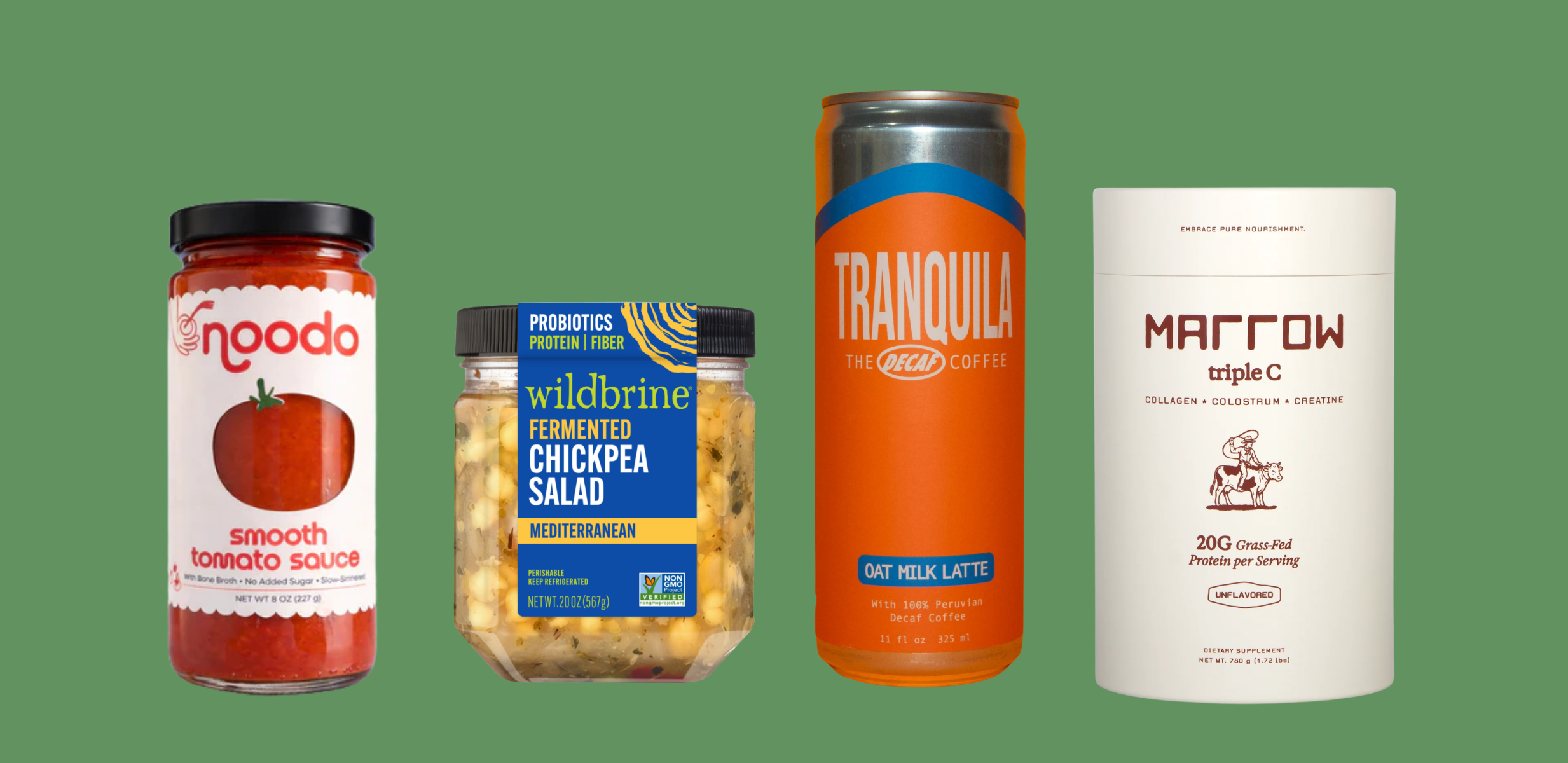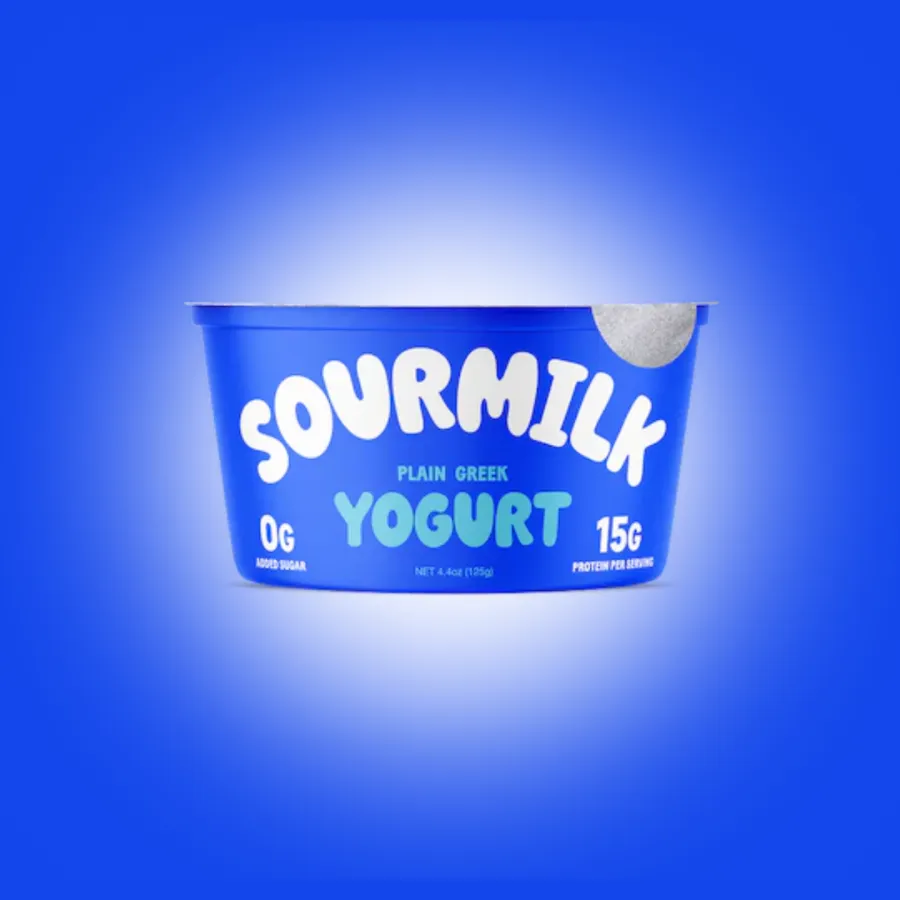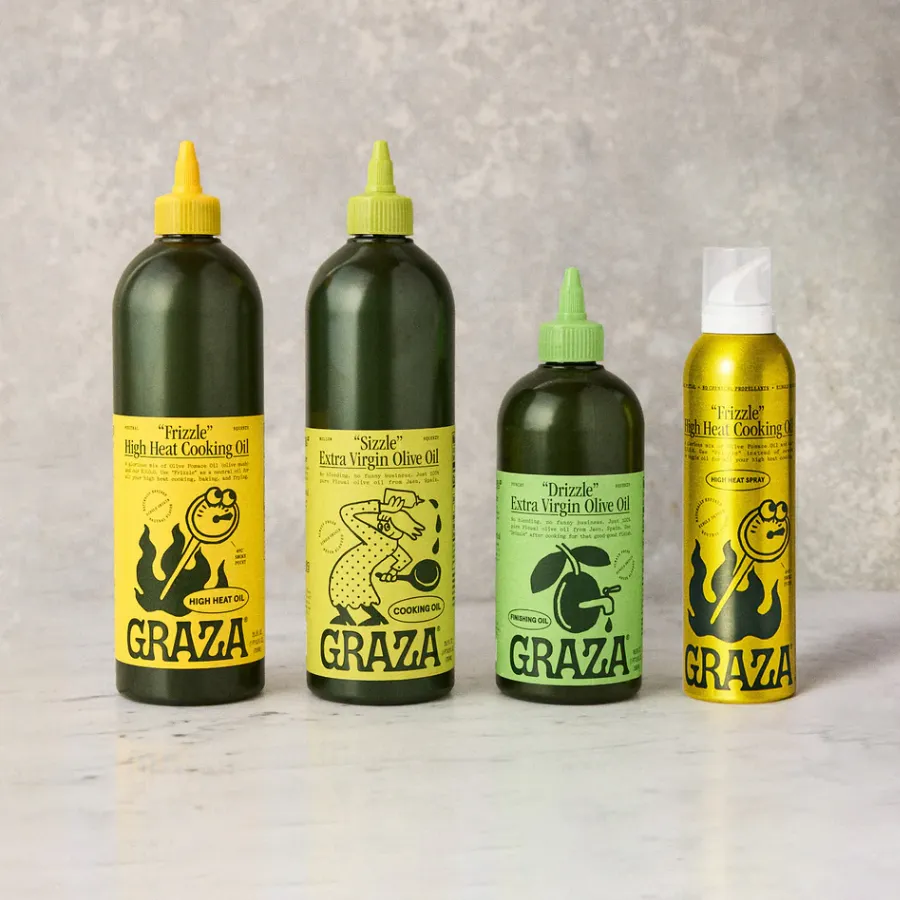



The shopping basket proposed for 2027 is an odd little still life: heirloom beans, collagen water, Japanese milk bread and something bitter to drink. A tin might come with the credentials of a Burgundy. Breakfast has ambitions for your complexion. Dinner, reassuringly, can still be beans on toast.
That's the picture emerging from Whole Foods Market's 2027 predictions, released on 14 October, alongside Mintel's public 2027 food and drink outlook and Holland & Barrett's 2027 Wellness Trends Report.
Whole Foods looks at what's likely to reach supermarket shelves. Mintel examines changing consumer behaviour, while Holland & Barrett considers how consumers are approaching health and wellness.
Two are retailers' forecasts, complete with products to buy. The third comes from a research firm. Read together, they offer a useful account of where food and drink brands are directing their attention.
The pantry wants an appellation
The language of wine is finding its way into regional honey, single-estate chocolate and named-source grains. Whole Foods calls it "Terroir's New Territory". Row 7's tinned vegetables, sourced from individual organic farms and due in 2027, are one example.
Provenance is becoming a point of differentiation. Naming the farm, growing region or producer gives consumers something to consider beyond packaging and price.
Mintel's "Authority Shifts" anticipates greater influence for the people behind brands who can inform and reassure customers. Provenance gives brands an opportunity to establish trust through the origin of their ingredients.
H&B's "The Regulated Self", concerned with overstimulation and protecting focus, suggests the explanation should remain simple. A customer buying dinner doesn't need another dashboard.
Beauty is moving into the grocery aisle
Whole Foods' "Beautrition" prediction includes collagen jelly sticks, olive oil shots and sparkling collagen water. Mintel's "Products to Systems" describes consumers combining products, services and technology around specific outcomes, as food, beauty, wellness and healthcare increasingly overlap.
The same consumer looking for a skincare product may now find a drink promising a similar benefit.
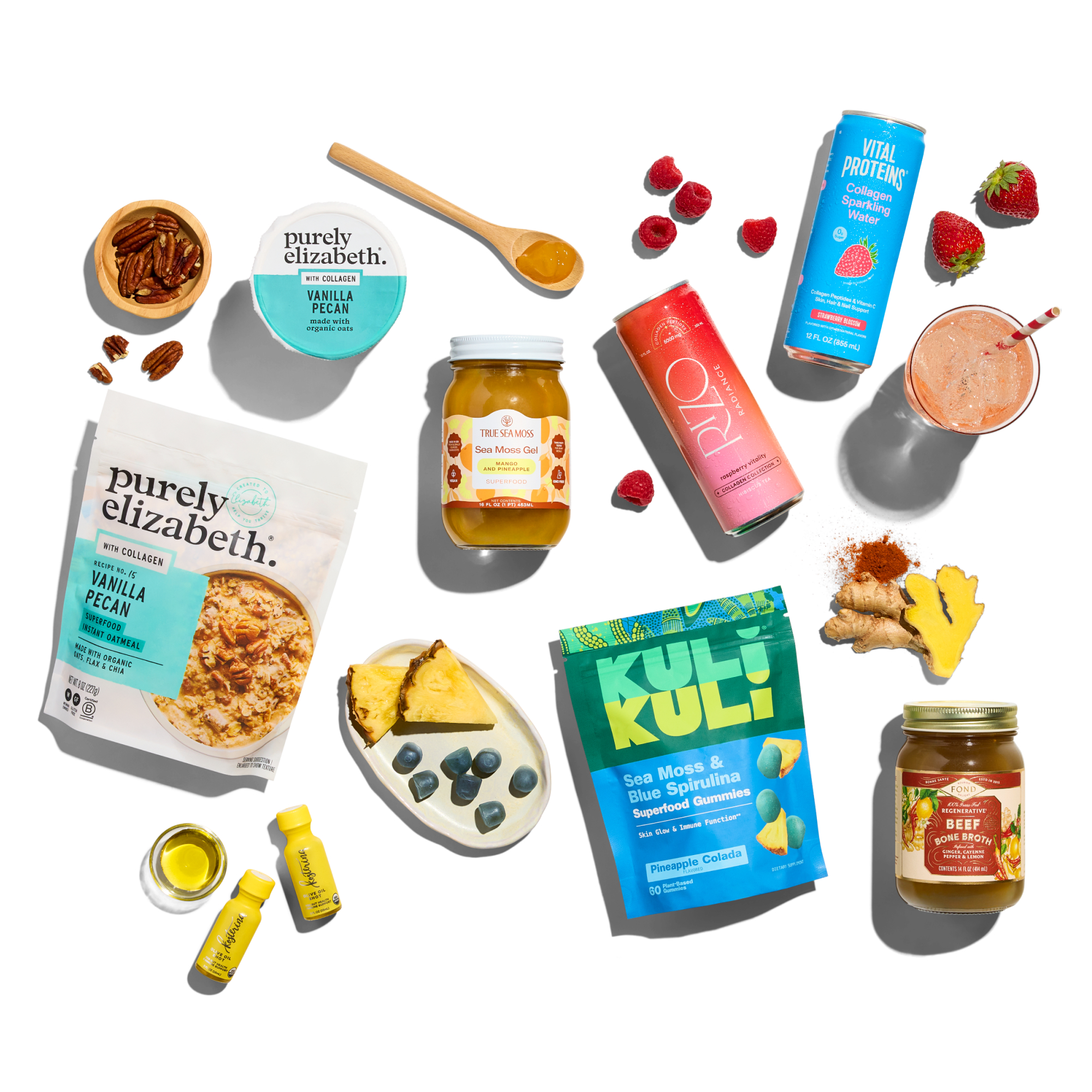
Whole Foods Market’s 2027 “Beautrition” trend. Courtesy of Whole Foods Market.
Shiseido launched its Collagen Visuage Set in Japan on 21 October, pairing a collagen drink with beauty jelly sticks. NutraIngredients covered it on 26 October; the jelly had launched in August.
The set combines two drinks and five jelly sticks into a weekly routine. It's an interesting example of a beauty company expanding its product formats and encouraging more regular consumption.
Claims substantiation remains important. In McKinsey's Future of Wellness 2027 research, published on 3 November and based on more than 10,000 consumers across four markets, effectiveness now ties price as the leading consideration in US wellness purchases.
H&B's "Cooling Rituals" anticipates demand for hydration products and functional frozen treats during hotter weather. Its "Built for Women" forecasts demand for life-stage-specific support.
For brands entering these categories, product claims need to be supported by evidence. Shiseido's weekly format may encourage regular use, but the format alone tells us nothing about its effects on skin.
Simplicity is becoming a credential
H&B's "The Enough Era" makes the case for fewer measurements, repeatable habits, whole grains and straightforward foods.
It presents an interesting tension with Mintel's systems thinking. Consumers may be assembling more elaborate wellness routines while also looking for ways to simplify them.
Whole Foods places "Ingredient Minimalism" alongside "The Bean Boom", positioning legumes as whole-food sources of protein and fibre. Short ingredient lists are becoming a selling point, even as consumers expect more functional benefits from their food.
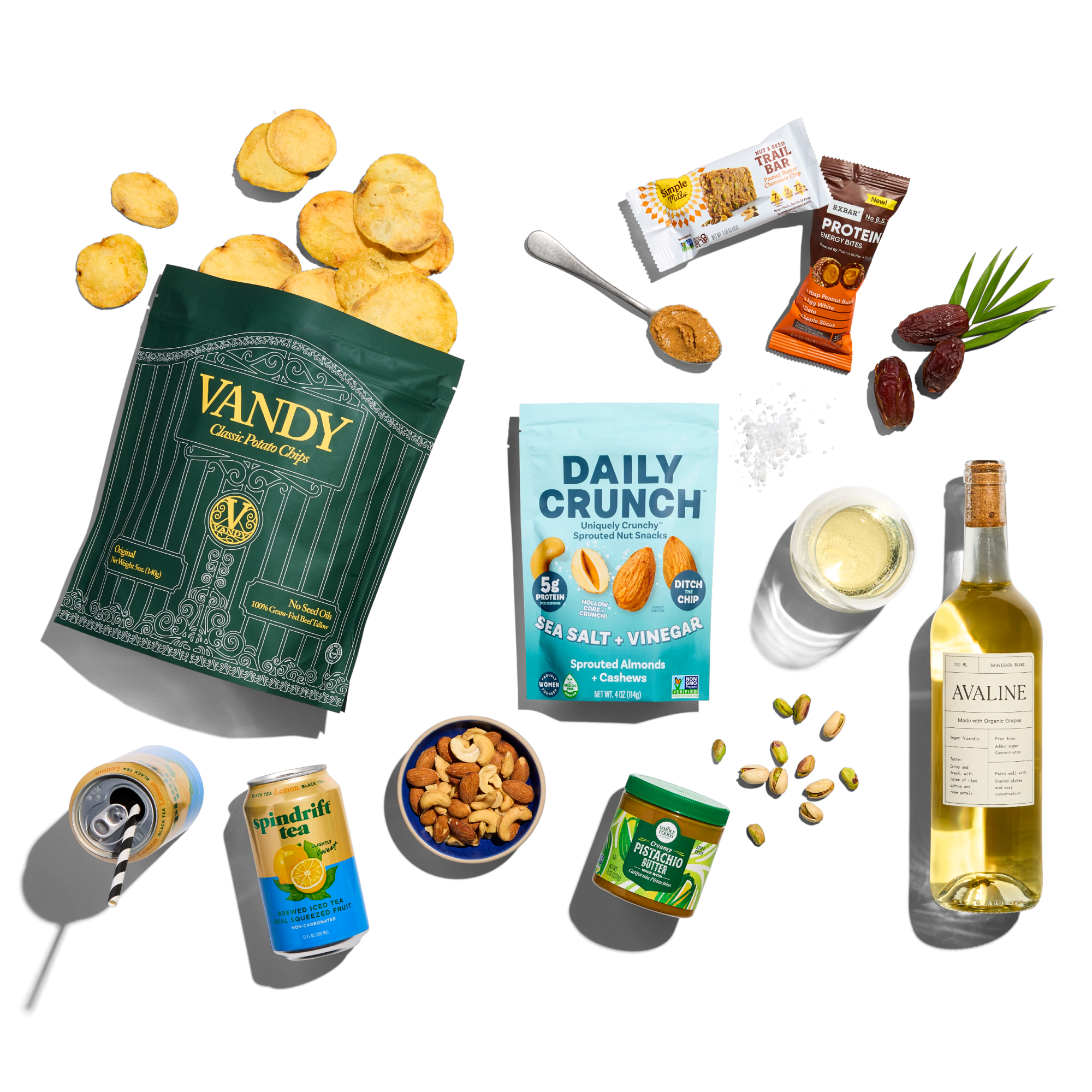
Whole Foods Market’s 2027 “Ingredient Minimalism” trend. Courtesy of Whole Foods Market.
H&B is selling products in this category too, including six-ingredient peanut and cacao bites.
Its "The Muscle Economy" puts protein in the context of strength, ageing and GLP-1 use, rather than gym culture alone. "Ahead of the Beat" looks at everyday heart-health habits and ingredients including flaxseed and oat beta-glucan.
McKinsey's research offers some context. Among the GLP-1 users surveyed, 35% reported eating more protein, 19% had added supplements and 18% had started strength training.
More consumers plan to increase their intake of protein, creatine and fibre in the coming year than reported those intentions a year ago. New product claims are concentrating on weight management, muscle gain, prebiotics, stress and sleep.
Beans have attracted research attention too. A William & Mary release dated 1 October, covered by Physicians Weekly on 29 October, describes an analysis of US adults. An additional ounce-equivalent of pulses per day was associated with 19% lower odds of cardiometabolic disease. The research established an association, not causation.
Mintel's "The Segmentation Reset" also deserves attention. Changing households, lifestyles and budgets are producing more varied demand.
Someone might buy a functional drink for breakfast and make an inexpensive lentil dinner that evening. Purchase occasion, budget and need state may be more useful to brands than broad demographic categories.
Comfort food in new formats
Birria soup dumplings. Mango sticky rice ice cream.
Familiar dishes are appearing in unfamiliar forms, a trend Whole Foods calls "Dish Reinvention". Its "The Yōshoku Effect" looks to Japanese adaptations of Western dishes, including curry rice and omurice.
Yōshoku is an established culinary tradition, with its own history of adapting Western food to Japanese tastes.
For manufacturers, these examples point to opportunities in product development using recognisable flavours and dishes. Familiarity can make a new product easier to understand, particularly when introduced in a different format or retail category.
Bitter flavours and upcycled ingredients
Whole Foods expects greater interest in bitter flavours, including amaro-inspired drinks and bitter greens.
Its separate "Zero Waste 2.0" prediction looks at ingredients that would otherwise be discarded. Wasted Pasta turns unused bakery bread into pasta, while Renewal Mill produces baking ingredients from by-products.
These are distinct trends with different commercial propositions. Bitter flavours offer manufacturers another direction for product development, while upcycling gives brands a sourcing story that can be explained through the production process.
Both depend on a product that consumers are willing to buy at the price being asked.
The business behind the forecasts
Recent acquisitions provide some context for the investment going into these categories.
Bloomberg reported on 23 October that Barilla had completed its acquisition of GOODLES that week, following the September announcement.
The reported $750 million cash price, attributed to a person familiar with the negotiations, puts a substantial valuation on a business built around protein-and-fibre comfort food. The figure came from Bloomberg's reporting and was not disclosed in the original announcement.
On 29 October, Mondelez announced an agreement to acquire Undercover Snacks.
Bloomberg's 30 October coverage describes a majority stake, with completion expected in early 2027. Undercover makes chocolate-covered quinoa crisps, combining simpler ingredients with a familiar confectionery format.
GOODLES is now part of Barilla. The Undercover transaction remains pending.
Dairy Industries International reported on 2 November that Arla Protein Water had launched in Denmark on 1 November, initially through outlets including petrol stations and fitness centres.
Made with whey protein from milk, the product extends Arla's protein range into another beverage format and consumption occasion. Arla describes it as an addition to its existing range, rather than a replacement for regular water.
McKinsey estimates the global wellness market at $2.7 trillion, including more than $700 billion in the US. Its estimate reflects both market growth and a broader definition of wellness.
Through September, a third of new US consumer-packaged-goods launches this year carried a wellness-related claim, up from 24% in 2021. The fastest-growing brands were more than twice as likely as slower-growing competitors to be built around health and wellness.
Barilla and Mondelez are investing in brands associated with more functional versions of familiar snacks and meals. Arla is extending protein into additional drinking occasions. These developments indicate where established manufacturers see opportunities for growth, although they offer no guarantee of what consumers will buy in 2027.
Reports worth your time
Whole Foods Market: Top food trend predictions for 2027
Retail predictions covering ingredient provenance, beauty-led nutrition, beans, flavour innovation and upcycling.
Mintel: Global food and drink trends 2027
Research on consumer expectations, brand authority, product systems and audience segmentation.
Holland & Barrett: 2027 Wellness Trends Report
A retailer's outlook on simpler routines, women's health, strength, hydration and everyday wellbeing.
McKinsey: Future of Wellness 2027
Research involving more than 10,000 consumers across four markets, examining wellness spending, purchase priorities and changing demand.