

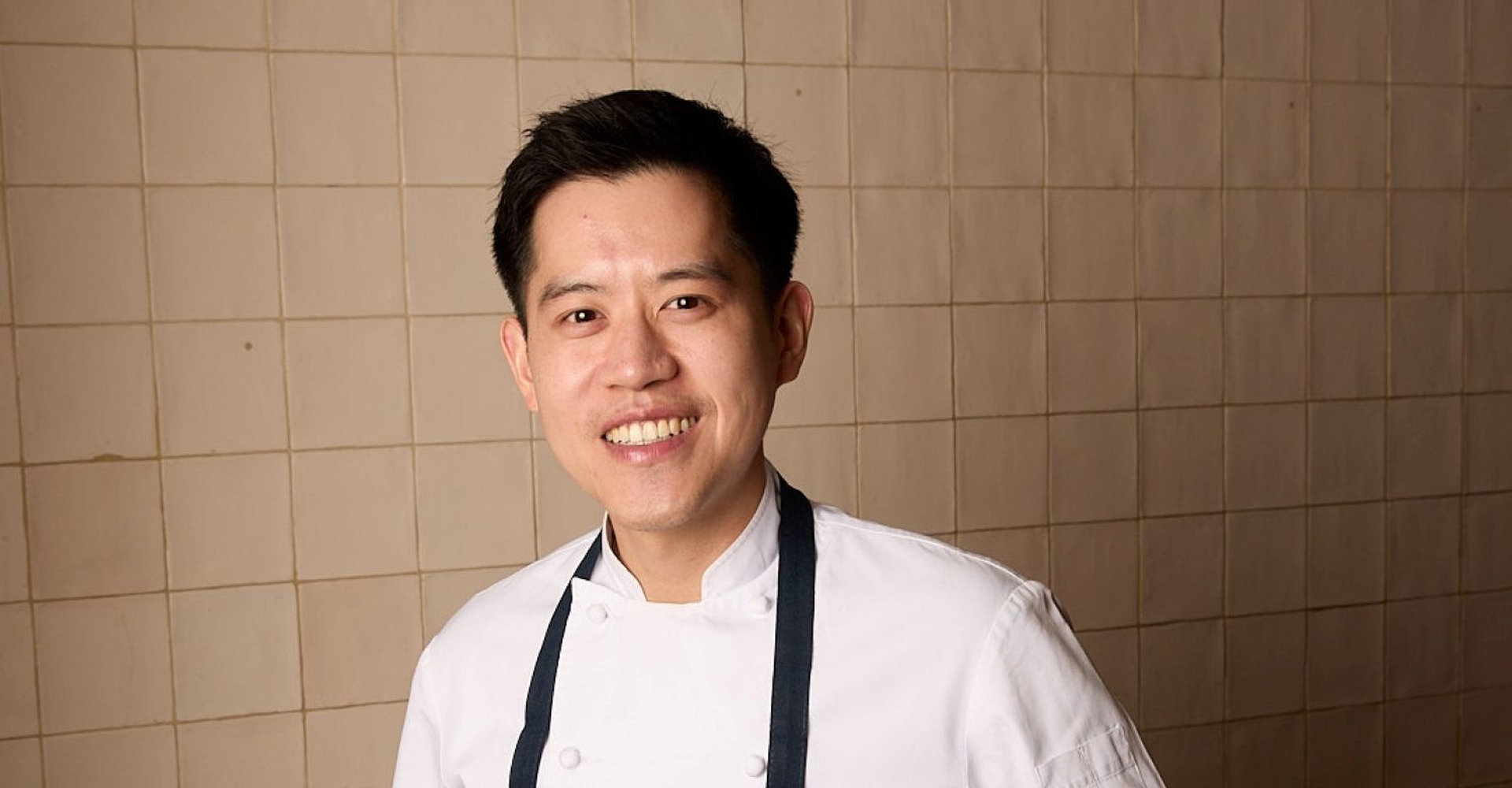

Max Wittawat took a less conventional route to the West Village. Born and raised in Bangkok, he trained at Le Cordon Bleu before working alongside celebrated Thai chef Ian Kittichai, spending years in pastry kitchens and restaurant consulting along the way. He helped establish four Spot Dessert Bar locations in New York and worked on Iron Chef productions across three countries. By the time he opened Bangkok Supper Club in 2023 with the team behind Fish Cheeks, he had plenty of experience in the business of feeding people. This time, he wanted to show New Yorkers a different side of Thai food.
Welcome to After Service, a new series from the goods that follows chefs out of the kitchen and into the rest of their lives. We begin with Max Wittawat of Bangkok Supper Club in New York's West Village, looking beyond the menu to the places, people and everyday choices that shape his taste.
What's something about your restaurant that people don't fully appreciate until they've eaten there?
I think there is still a misconception that Thai food has to be inexpensive, but at Bangkok Supper Club, we want to show that Thai cuisine can offer a different kind of dining experience. It is not just about the food, but everything from the moment you walk through the door.
Thai hospitality is also very important to me. I always tell our team that we should treat every guest like a friend or family member, making them feel comfortable and welcome while still providing professional and attentive service.
Then, when the food arrives, you experience authentic Thai flavors prepared with the best ingredients we can find and modern cooking techniques. I have had guests tell me that a dish reminded them of their honeymoon or a special trip to Thailand, which is always meaningful to hear. For me, it is about creating that complete experience, from beginning to end.
If someone were coming for the first time, what would you insist they order?
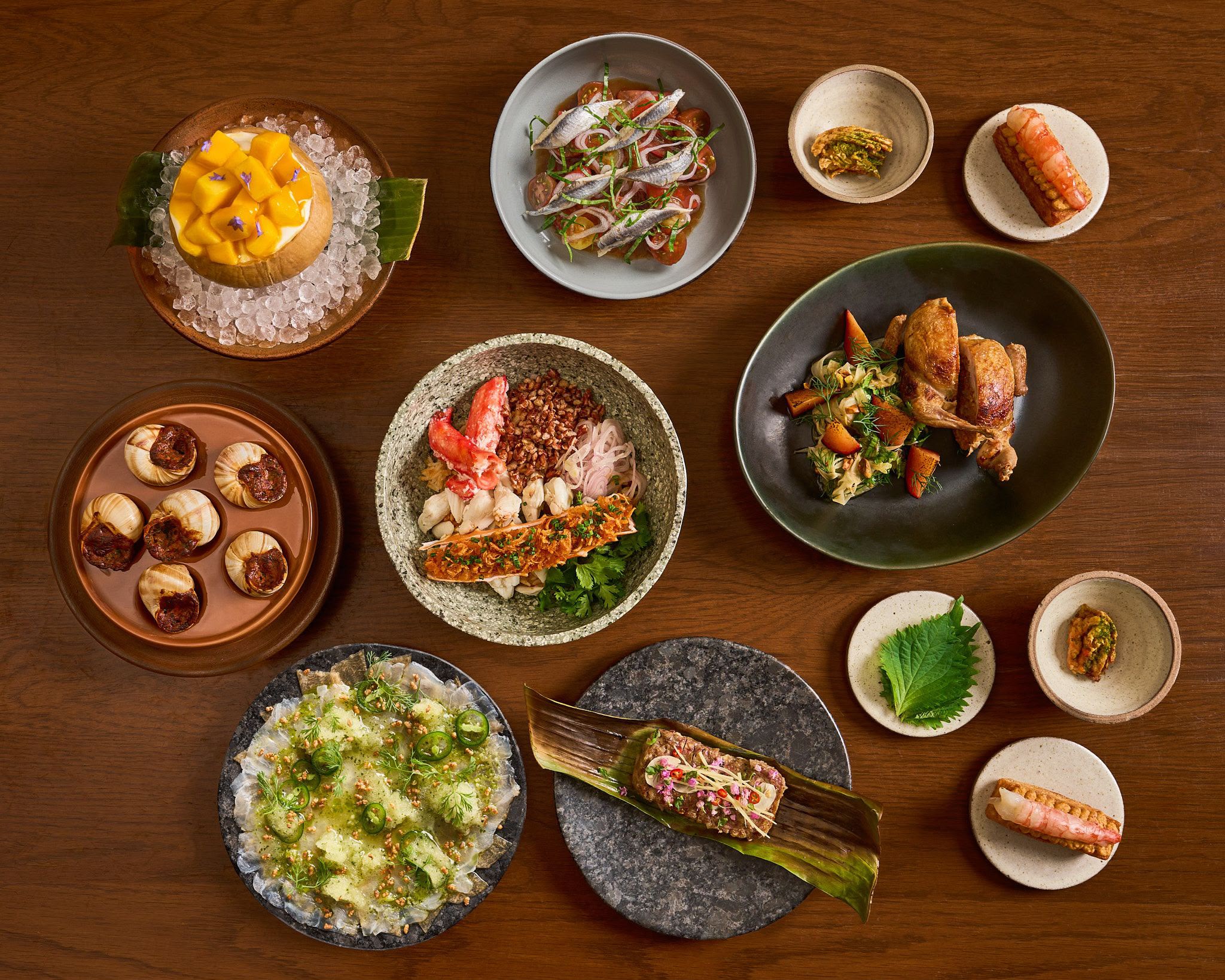
I would definitely recommend the Pork Jowl. It is one of my favorite dishes on the menu and a great introduction to the charcoal grilling that is such an important part of our kitchen. I would also suggest the Uni and Crab Tartlet, which has become one of our signature dishes and a guest favorite.

What's something you've changed your mind about in the kitchen?
I think I have become more open to introducing traditional Thai ingredients and techniques that I initially thought might be unfamiliar to guests in New York.
A good example is our Fermented Wagyu, which is prepared using a traditional fermentation process where the beef rests at room temperature for two days. You eat the warm beef with the cool salad, ginger, and crispy rice, so you get a little crunch in the same bite. When we first introduced it, I was not sure how people would respond to the idea of fermented beef, especially if they had never experienced that style of cooking before.
But the response has been really positive. Guests find it interesting, and they enjoy discovering something new. It has reminded me that people are often more adventurous than you expect, and it has encouraged me to continue introducing traditional Thai techniques and flavors in new ways.
What does good taste mean to you outside the kitchen?
For me, good taste is something that feels effortless and natural. Whether it is fashion, design, or the way someone presents themselves, I think it comes down to feeling comfortable with your own style rather than trying too hard or forcing something.
When you feel comfortable and confident in what you are wearing or how you express yourself, that naturally comes through. I think good taste is very personal, and it should reflect who you are.
What's always in your grocery basket?
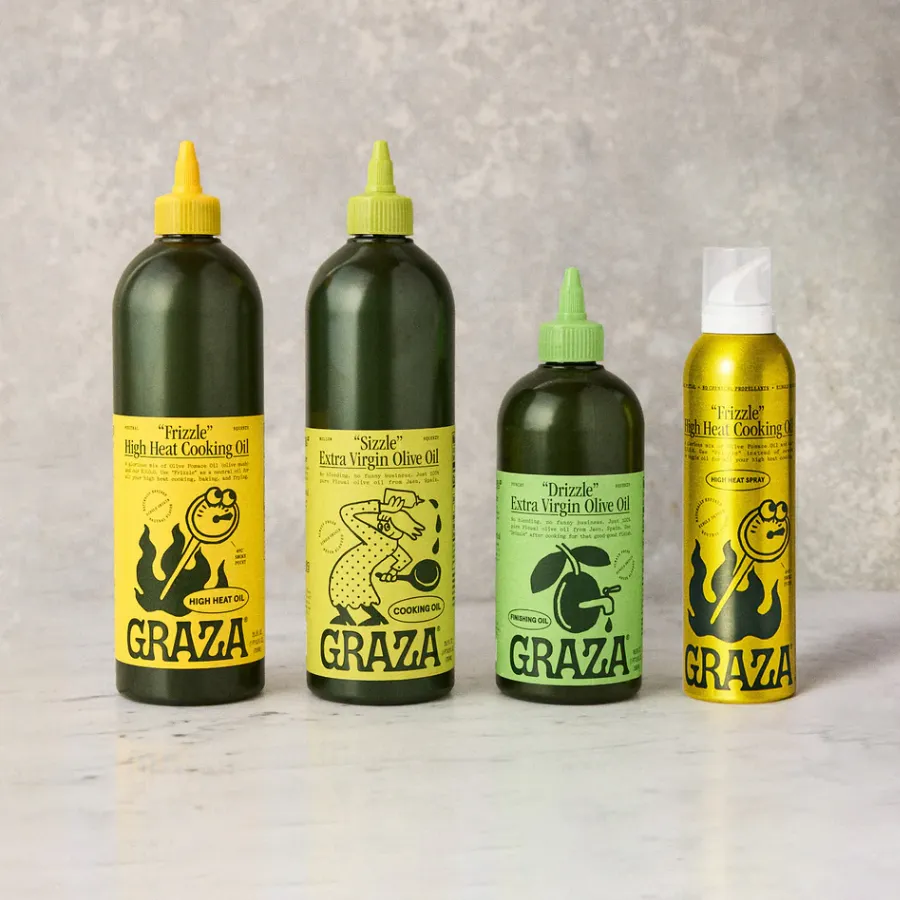
Eggs, Greek yogurt, and oat milk. I always buy the Chobani high-protein Greek yogurt with 25 grams of protein. Those are my everyday essentials.
What's a meal from your childhood that you still love?
Rice porridge with pork meatballs and a soft-boiled egg. It is a very comforting breakfast that I grew up eating in Thailand, and it is still one of my favorite meals.
I actually just returned from visiting my family in Thailand, and it was the first thing I asked my dad to get for me the morning after I arrived. There is something about a simple meal that you grew up with that always feels special, no matter how many years have passed.
When you've got a rare evening off, where in your city are you going for dinner, and what are you ordering?
On my nights off, I usually like to explore new restaurants. Recently, I have really enjoyed iara, a new Brazilian restaurant on the Lower East Side from Chef Vitor Mendes, who previously worked at Theodora. The menu is inspired by ingredients and flavors from the Amazon rainforest, and I have been especially impressed by their small bites.
One of my favorites is the Dadinho de Tapioca, a crispy tapioca cube topped with smoked trout mousse, tuna, and biquinho peppers. The combination of textures is incredible. The tapioca is crispy on the outside but slightly chewy on the inside, while the smoked trout mousse adds a creamy richness and the peppers bring a little crunch and acidity. I have ordered it multiple times, and every time I eat it, I am just as impressed as the first time.
Where would you send a friend for a brilliant meal if they only had £30 to spend?
I would send them to Katz's Delicatessen for a pastrami sandwich. It is such a classic New York experience, and the portions are huge.
I really enjoy it, but I can never finish a whole sandwich myself. The first few bites are always great, but it is very rich and salty, so I usually need to share it with someone. It is definitely a place I would recommend to someone visiting New York.
Which clothing brands do you actually wear and return to, both in the kitchen and on your days off?
I really like Theory. There is a store just around the corner from Bangkok Supper Club, so I stop in quite often. I like their pieces because they are simple, comfortable, and easy to wear.
What's the one thing money can't buy?
Respect. I think respect is something you have to earn through your actions and how you treat other people.
When I first moved to New York, I was new to the city and working with people who did not know me yet. As a chef, I could not just expect my team to respect me because of my position. I had to earn that respect by setting an example, showing them how I work, and demonstrating the same commitment that I ask of them.
For me, respect is not something you can buy or demand. It comes from what you do and how you carry yourself every day.

Portrait of Chef Max Wittawat: Kelsey Cherry.