

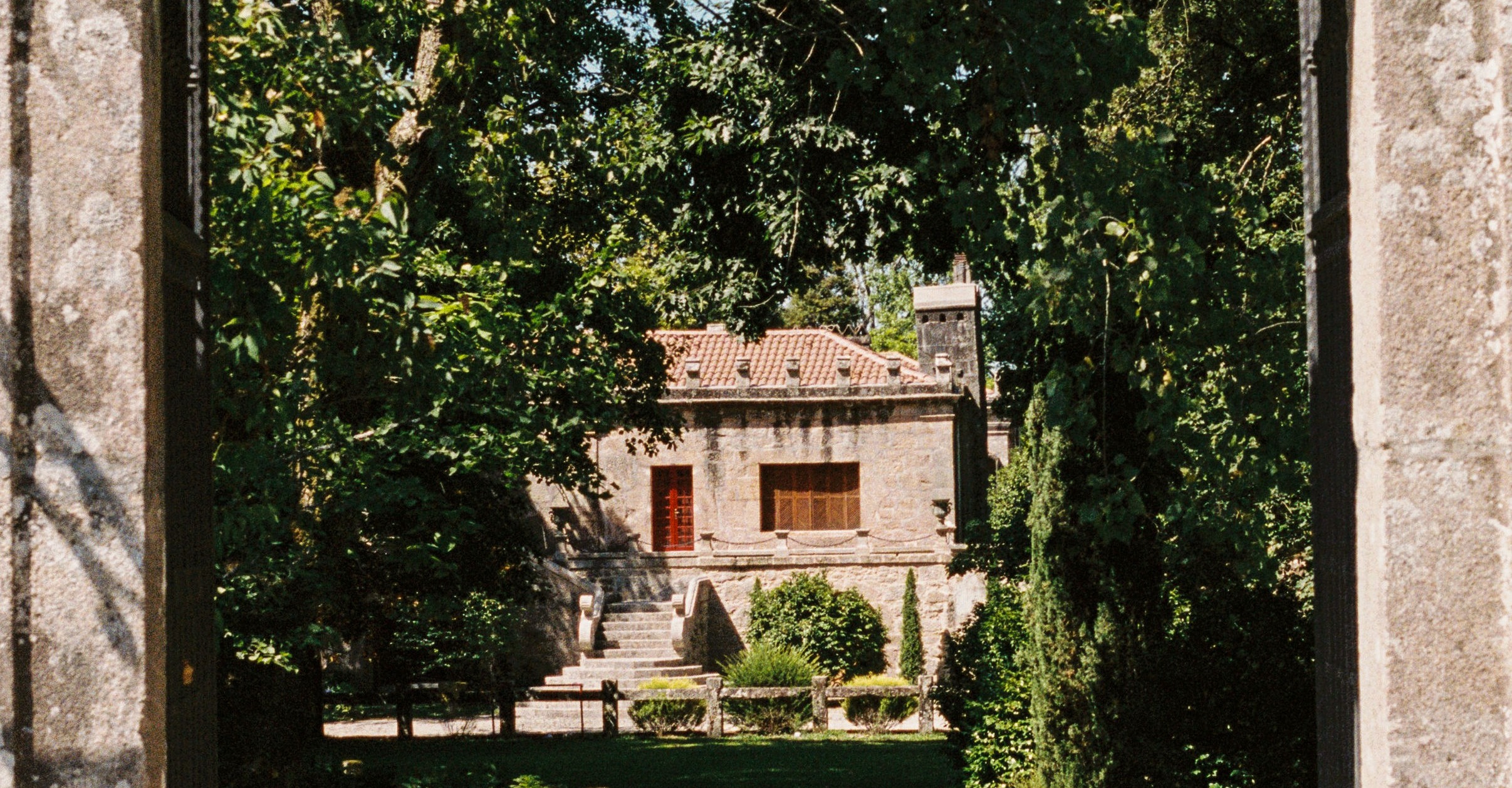

Portugal has become remarkably good at selling its southern disposition. The whitewashed villas of the Algarve, the terracotta rooftops of Lisbon and the sun-drenched plains of the Alentejo have given the country an enviable position on the European travel map. Beyond Porto, the Minho’s granite buildings tell centuries of architectural history.
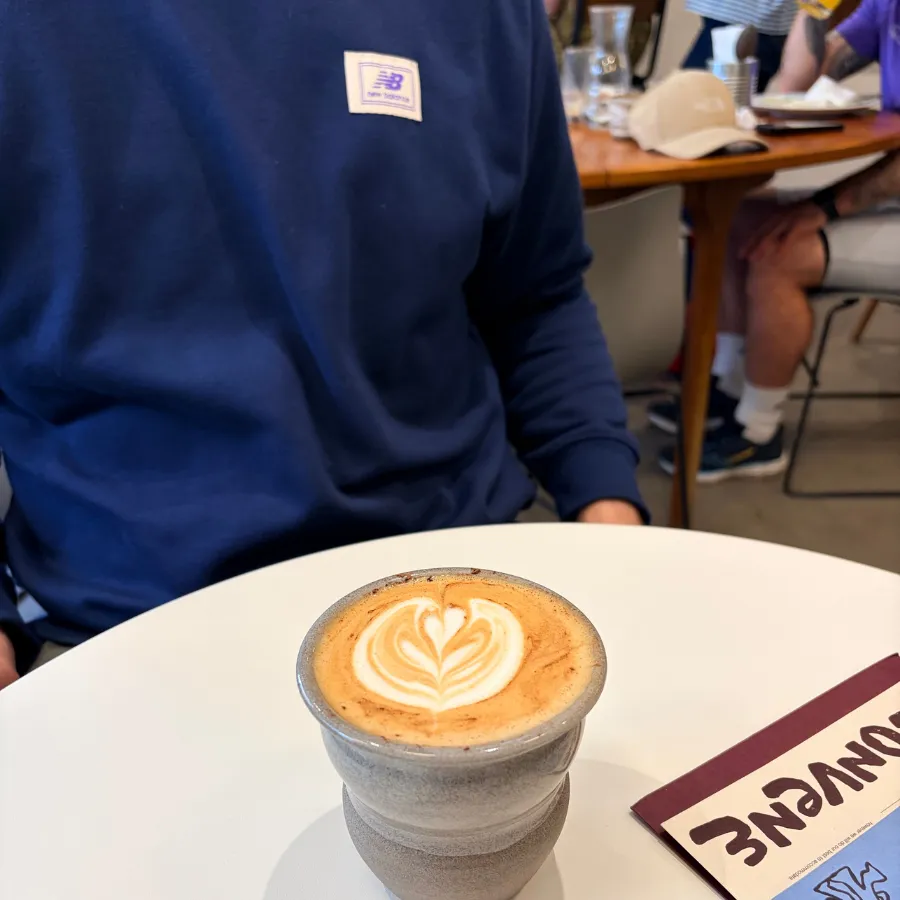
For my husband Jason and I, Portugal's north has occupied a special place in our hearts for much of the nearly ten years we've called this country home. Our relationship with the region began, as it does for most, with Porto in 2018. There are few better ways to lose an afternoon than over the best specialty coffee the city has to offer and something sweet at Von and Vonnie. But over the years, our curiosity has taken us beyond Porto, into the mountains of Peneda-Gerês, where our first stay came with an unlikely morning alarm: the bells of a passing goat herd. Most recently, our travels took us to north-eastern Braga.
It is within this northern Portugal setting, in Jolda-Madalena on the outskirts of Arcos de Valdevez, that Paço da Glória makes a compelling case for travelling north. The 18th-century estate has undergone a considered architectural transformation at the hands of Portuguese practice Un-icon, with interiors by Porto-based Lost & Found. What makes the project particularly interesting for me is the judgement exercised over what deserved to remain.
Beyond the estate, the Minho offers an equally persuasive itinerary of secluded waterfalls, natural swimming pools and a regional food culture built around hearty northern Portuguese plates such as Cabrito assado and Bacalhau à Braga.
We spoke with Paço da Glória’s manager, Francisca Campos, architect Joana Azevedo of Un-icon and interior designer Linda Vaughan of Lost & Found Porto about the thinking and decisions behind the estate’s restoration.
Inside the house, and out into the Minho
Francisca Campos, Property Manager at Paço da Glória, on the team behind the spaces, the details they fought to keep and the wilder corners of the Minho.
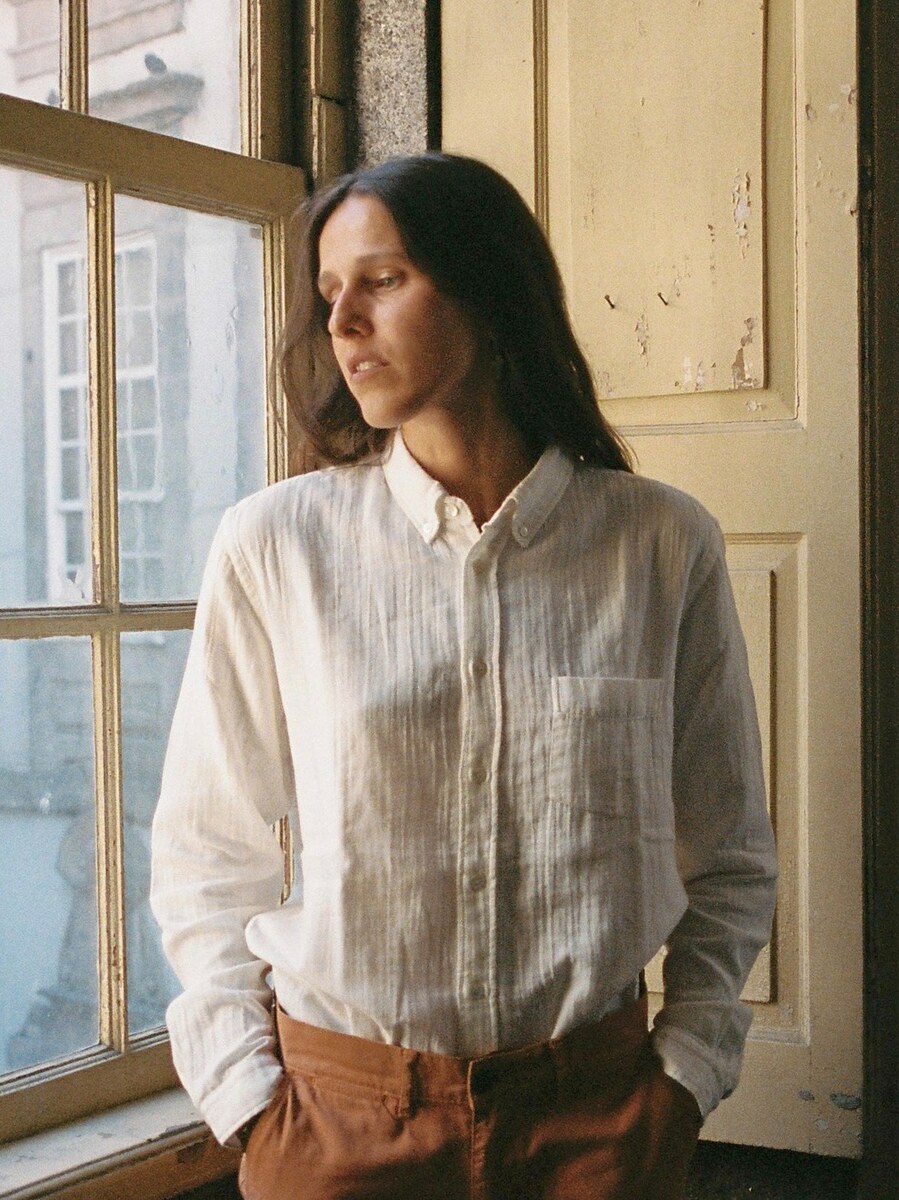
Who were the architects and interior designers behind the spaces, and what was the brief?
The architectural project was developed by Un-icon, while the interior design was carried out by Lost & Found Porto.
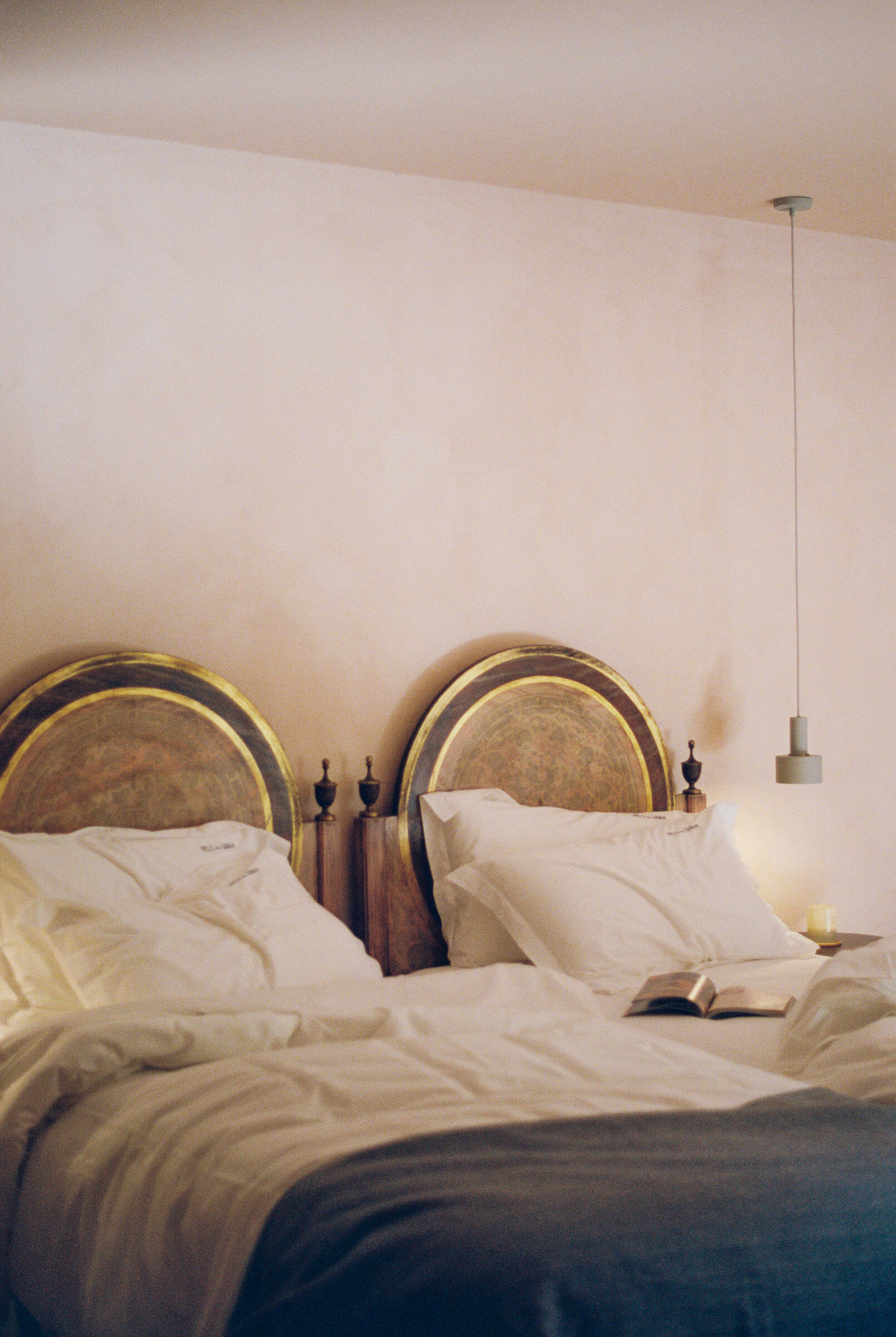
What was the one detail in the interiors you fought hardest to keep?
Some of the original bed headboards. They are part of the house's history and were carefully restored, preserving a little piece of the building's original character.
Which room, or corner, do you love most, and why?
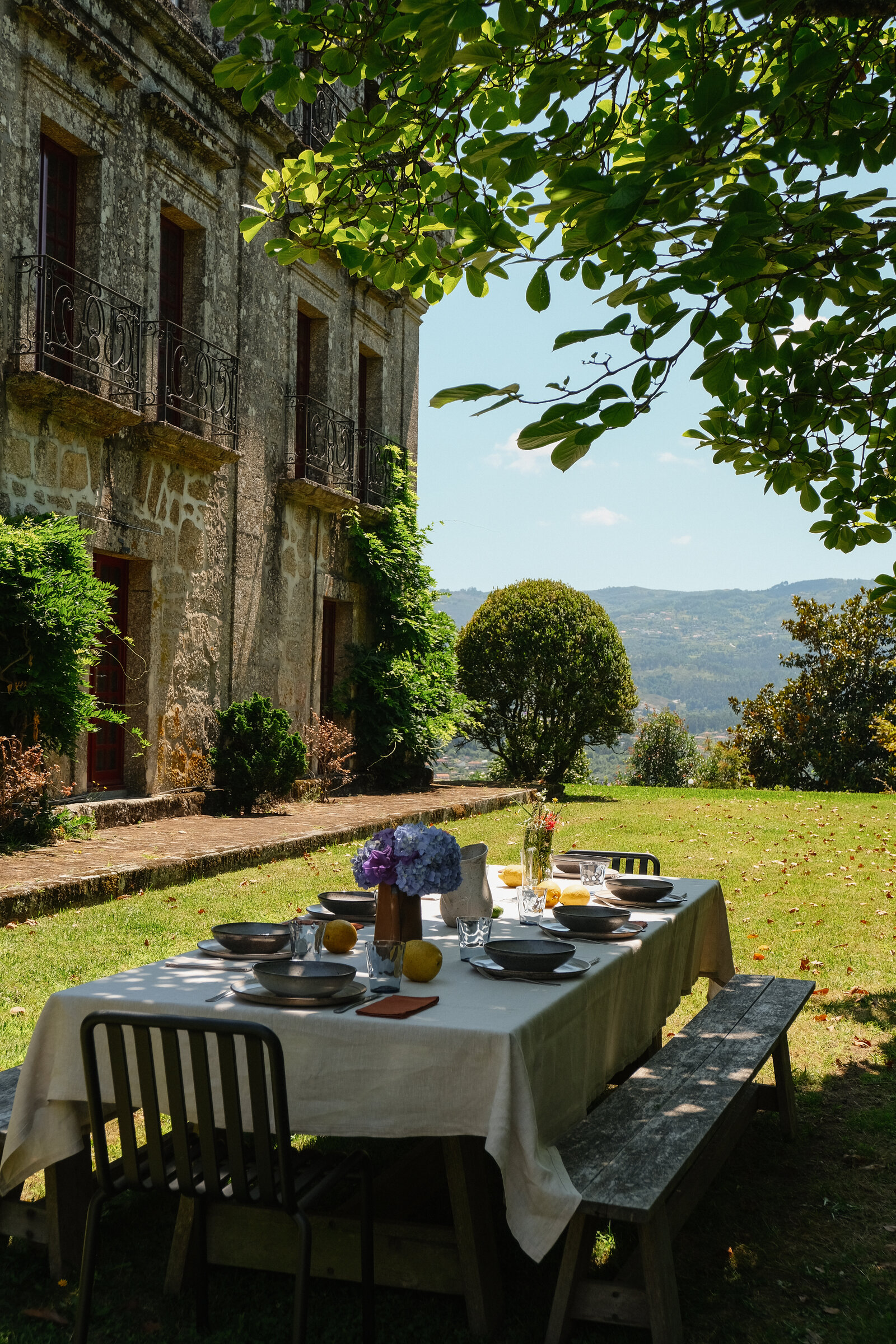
The kitchen. It's always the soul of a house, and ours is exceptionally well-equipped and functional. It's the kind of space that makes you want to start cooking the moment you walk in.
When you need to properly reset, where do you go in Portugal?
The Minho region, always. Beyond its beautiful, still-unspoilt beaches, where the drive takes you through fields of corn, there's something special about its wilder landscapes, deserted river beaches, hidden waterfalls and beautiful natural pools.
The restaurants you'd send a friend to, anywhere in the country?
The seafood restaurants, or marisqueiras, in Matosinhos, just outside Porto. For anyone who loves fresh fish and seafood, it's hard to go wrong there.
Your gold: the hidden places, makers or views around Arcos de Valdevez that most visitors never find?
The wilder corners of Peneda-Gerês National Park. Beyond the better-known trails and viewpoints, there are secluded waterfalls, natural pools and breathtaking landscapes that reward those willing to explore a little further.
Wild card: the object in the house with the best story?
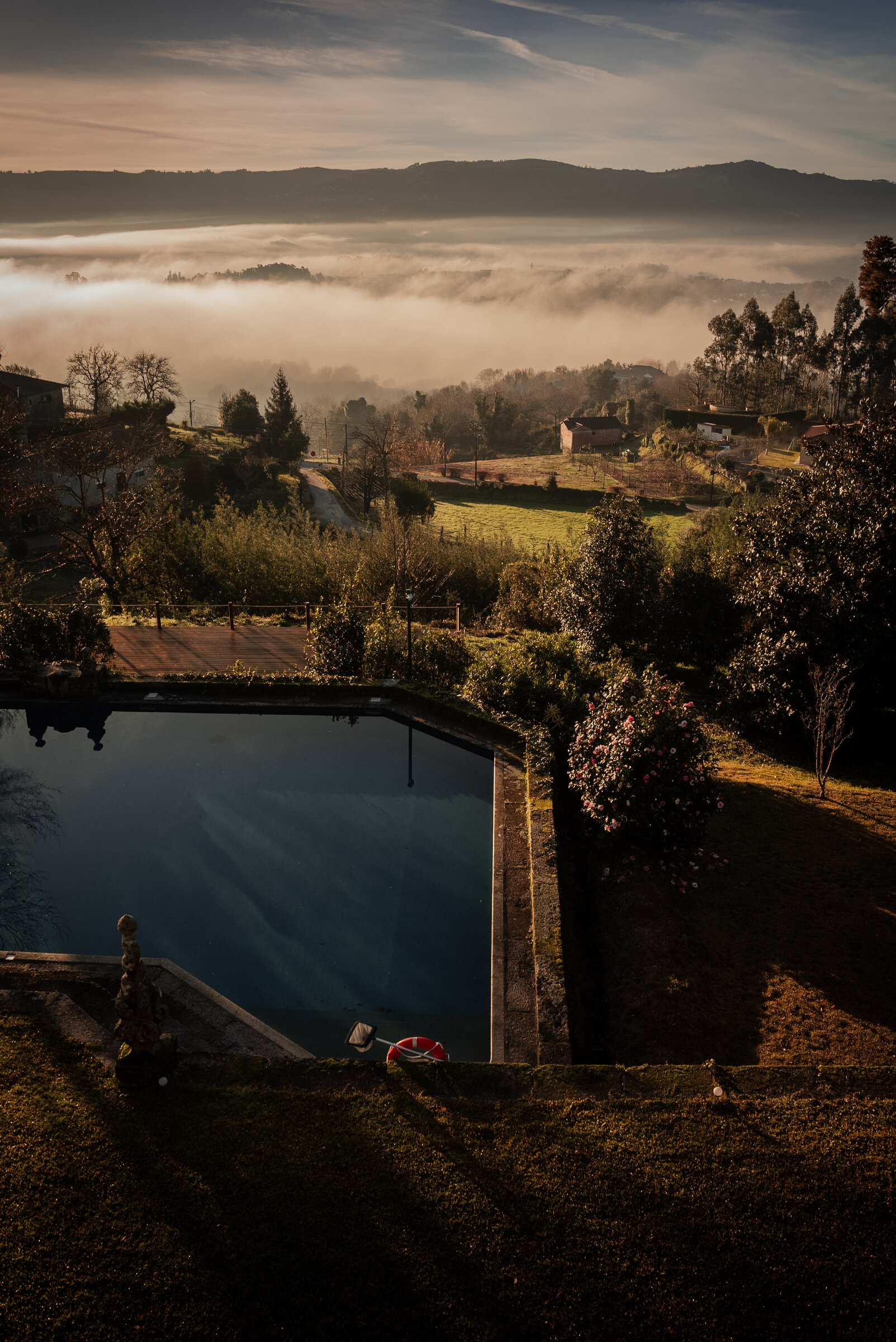
Not quite an object inside the house, but some of the most interesting pieces of history are found in the gardens: the stone pinnacles beside the chapel and swimming pool.
The story, as told by the property: although Paço da Glória dates back to the 18th century, the pinnacles were added in the early 20th century by the Count of Santa Eulália, who owned the estate at the time. As several historic monuments in Braga were being demolished, he acquired the pinnacles that had stood on the roof of the former Convento dos Remédios, now the site of Theatro Circo, and brought them to the estate. They have since become an unexpected part of the property's landscape and history.
The architects' view
Joana Azevedo, Co-Partner / Architect at un-icon, on preserving the old stone and knowing when to stop.
When you first walked the site, what felt essential to preserve, and where did you see room to make a contemporary intervention?
Our first visit to the site left a strong impression. The area is known for its morning fog, which makes the surrounding vegetation look more vivid and the stone of the building look heavier. The fog also brings an almost deafening silence. We felt that these qualities had to be preserved: the weight of the old stone, the silence, and the building’s relationship with the landscape. The contrast between the light, saturated landscape and the mass of the stone became the starting point of our approach, and it showed us where we could intervene. The new elements would work with lightness. The doors show this balance best. They are designed so that only a minimal part of the timber frame is visible. Set within the heavy rock walls, they read as light, almost immaterial elements, so the stone stays the dominant presence.
Which part of the project demanded the most careful architectural judgement?
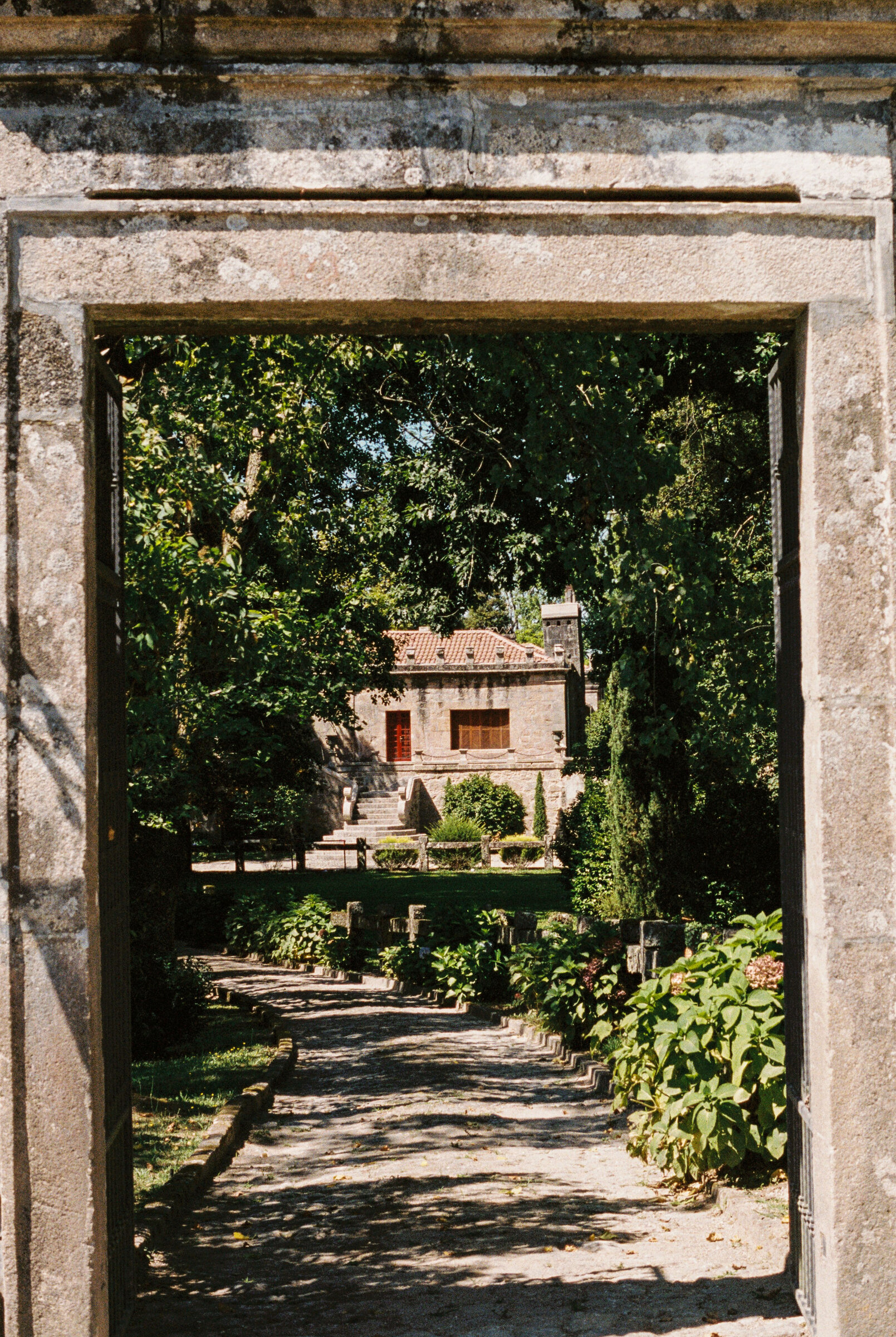
The corridor leading to the rooms was the most demanding part of the project because it is so visible from the main courtyard. Our first proposal was more elaborate and combined three different materials. Each time we went back to it, though, we became more convinced that this space should feel like a monastic cloister. That idea decided it. We reduced our intervention to the minimum, and the only new element that sets the rhythm of the corridor is a series of vertical timber elements marking the entrance to each room. The space is bare and essential, and it gives a sense of calm to anyone arriving at or leaving their room. Keeping the intervention this restrained lets visitors feel the weight of the old stone and turns their attention outward, to the beauty of the garden.
What do you believe will define good architecture over the next decade, beyond how a building looks?
At un-icon, we believe good architecture will be defined by its ability to endure. Good spaces can adapt to changes in society and still contribute something meaningful to it. Such buildings have a lasting physical presence, respond to their surroundings and create places where life happens. Setting out to design an iconic building does not, in itself, produce good architecture. For us, the value of architecture lies in the people who inhabit it, the uses it supports and the way it stands the test of time.
The designer’s view
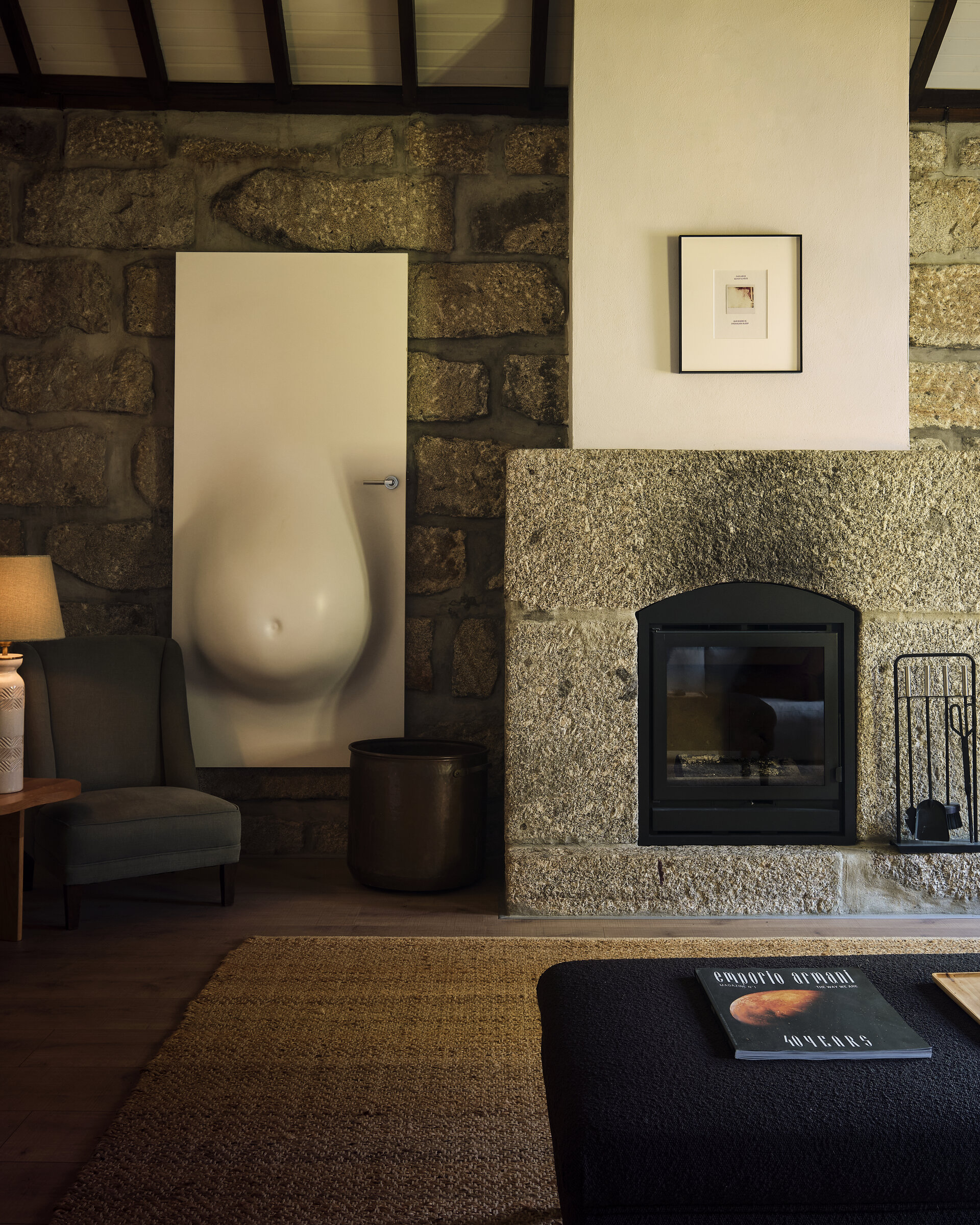
The interiors are the work of Lost & Found Porto, the Porto studio led by Linda Vaughan. She describes the brief for what the studio calls the “Meia Lua” project as clean and modern with Portuguese heritage: neutral and soft colours, raw materials and pure linens.
“As many items as possible were sourced in Portugal, whether upcycled (some armchairs and some hand painted headboards) or commissioned by local craftsmen,” Vaughan says. Carpenters made the bedside tables and the dining room table, a mother and daughter team made the pottery lamps and vintage light fittings, and a mother and son team hand wove the straw headboards. The bedding was ordered from a local textile factory with the Quinta do Paço logo embroidered on each piece, and all the beds, sofas and armchairs were made and upholstered by local craftsmen.
Photography by Hannah Dace, Ollie Tomlinson and Francisca Siza, supplied by Paço da Glória.
To experience Paço da Glória for yourself, you can book a stay through the official website - pacodagloria.com