


In a surreal interpretation of 16th-century Italy, villagers become fixated on a mysterious hole in the ground that promises an endless supply of tiramisu-flavoured oats.
It's the premise of the latest ad campaign from Oat Cult, the British breakfast brand launched in 2025. Created by Thingy & Thingy, produced by MindsEye and directed by Mike Upson, the black-and-white film is another unconventional turn for overnight oat brand. It caught the attention of The Grocer, which named it ad of the week on 9 October.
Behind the spectacle is a young business finding its footing in an increasingly competitive category.
Launched in March 2025, Oat Cult sells portioned overnight oats with added live cultures. In June, it secured £220,000 in its first external funding round, led by Anotherway Ventures, to expand subscriptions, Amazon sales and product development. At the time, the company reported that around 70% of new customers were choosing subscriptions on their first purchase.
I examined this shift back in February's What We’re Tracking: Overnight oats article, looking at how a homemade breakfast ritual had become a retail category built around subscriptions, convenience and repeat purchasing. Oat Cult is one of the younger brands pursuing that model, with a distinctive identity.
The investment comes as overnight oats move further into the mainstream. PepsiCo's Quaker entered the UK overnight oats market in June, bringing the format into a portfolio with considerable retail distribution and marketing muscle.
Oat Cult has taken a different approach to building preference. Co-founder Ben da Costa spent two decades working in advertising before turning his attention to oats, assembling a founding team with experience across creative, design, direct-to-consumer marketing and finance.
The resulting brand draws on British folk traditions, dark humour, medieval symbolism and the language of, well, cults.
Not your ‘run of the mill’ breakfast brand then. Oat Cult’s irreverent advertising has attracted considerable attention, although not always favourable results in conventional advertising tests. Da Costa previously revealed that the brand's first film performed poorly in System1 testing, yet Oat Cult, to the founder’s credit, has continued to develop its distinctive creative approach.
We spoke to him about the conventions of wellness marketing, the thinking behind Oat Cult's visual identity and what building the business has taught him so far.
What did you see in the category that the established players had overlooked?
That it's boring, wellness is boring.
Every oat brand is still earnestly explaining that oats are good for you, as if this were breaking news. Everyone knows, your nan knows.
So the whole category is spending its money winning an argument that was settled centuries ago, and doing it in beige, with a sunrise and a woman laughing at a spoon.
We took the health bit as read and spent our energy on the part everyone else skipped: being something you'd actually want to look at, talk about and belong to.
Breakfast is already a ritual, same bowl, same time, every day, for years. That's a cult, we just gave it robes.
How did you approach building the brand's visual identity, and what did you want people to feel?
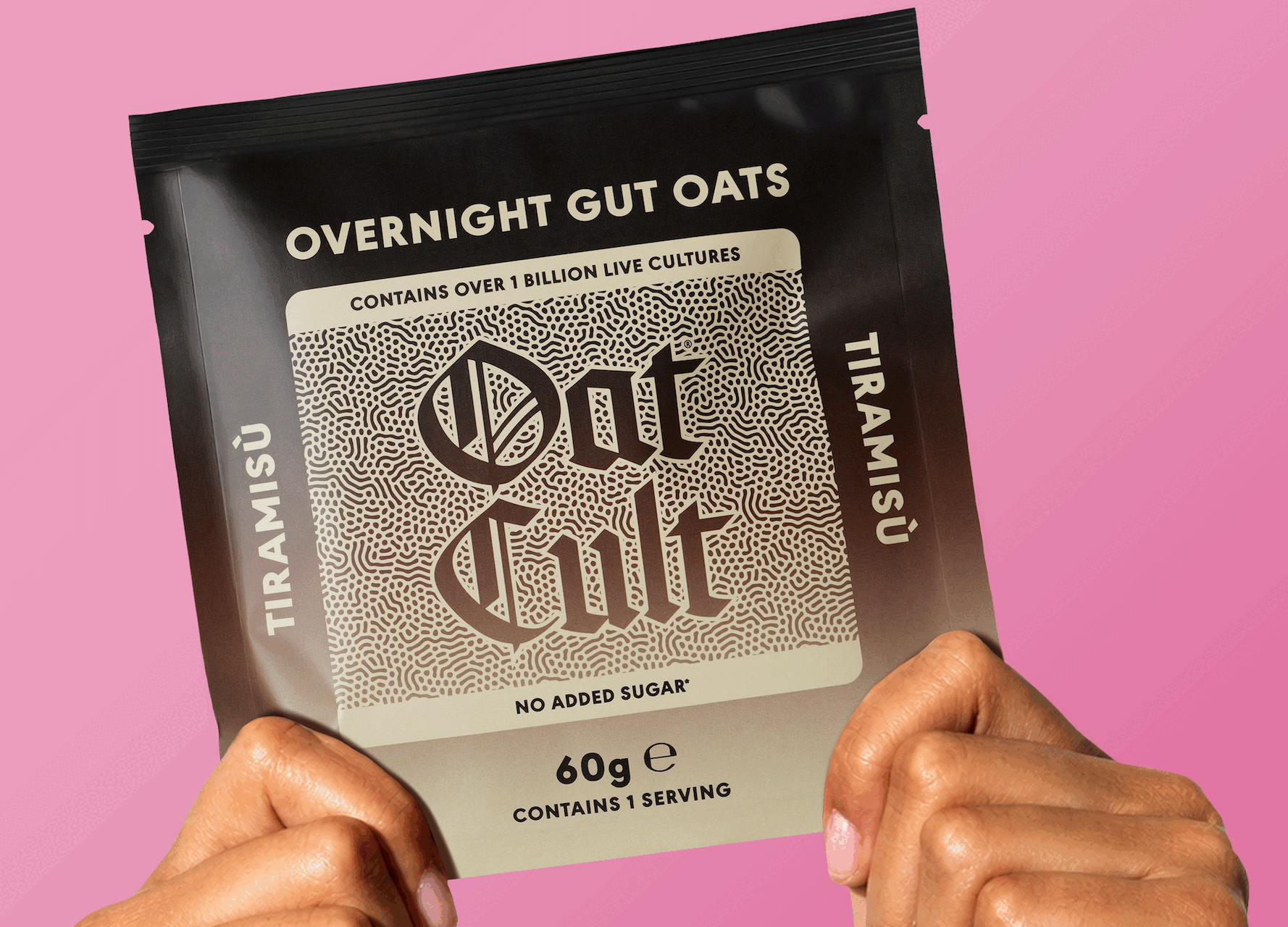
My co-founder Marc Donaldson (Donno) designed it, and it was inspired by British folk. The packaging leans all the way into the name. The logo is a bold blackletter that plays on medieval cult symbolism, but it's kept clean and deliberate rather than fancy dress.
Behind it there's a structured pattern based on the gut microbiome, which ties the design to the probiotic without being too obvious about it.
Each pouch is heavy on type and light on everything else, with one hit of pastel blue to soften what is otherwise a very stark, graphic system.
What's been the biggest surprise about building the business, and what do you wish you'd known earlier?
Everyone tells you it's hard, but they're underselling it. It is harder than I can possibly quantify, and I've tried. The highs are ridiculous and the lows are very, very low, sometimes before lunch on the same day.
Everything that can go wrong does, usually in an order you didn't plan for. The thing I wish I'd known earlier: nobody will ever care about your business as much as you do. Not because they're bad people, it's just not their baby. Once you accept that, you stop waiting for someone else to lose sleep over it and get on with it yourself.
What have your customers taught you that you didn't expect?
Two things. First, how loyal they are. I thought people would try it, like it and maybe drift off, because that's what people do with breakfast. Instead the ones who stick really stick. Second, how much they can bloody eat. We built this thinking it was a nice breakfast a few times a week. But our customers are getting through it at a rate that honestly concerns me, we named it a cult as a joke (and the cultures) and they took it as an instruction.
What's in your shopping trolley right now?
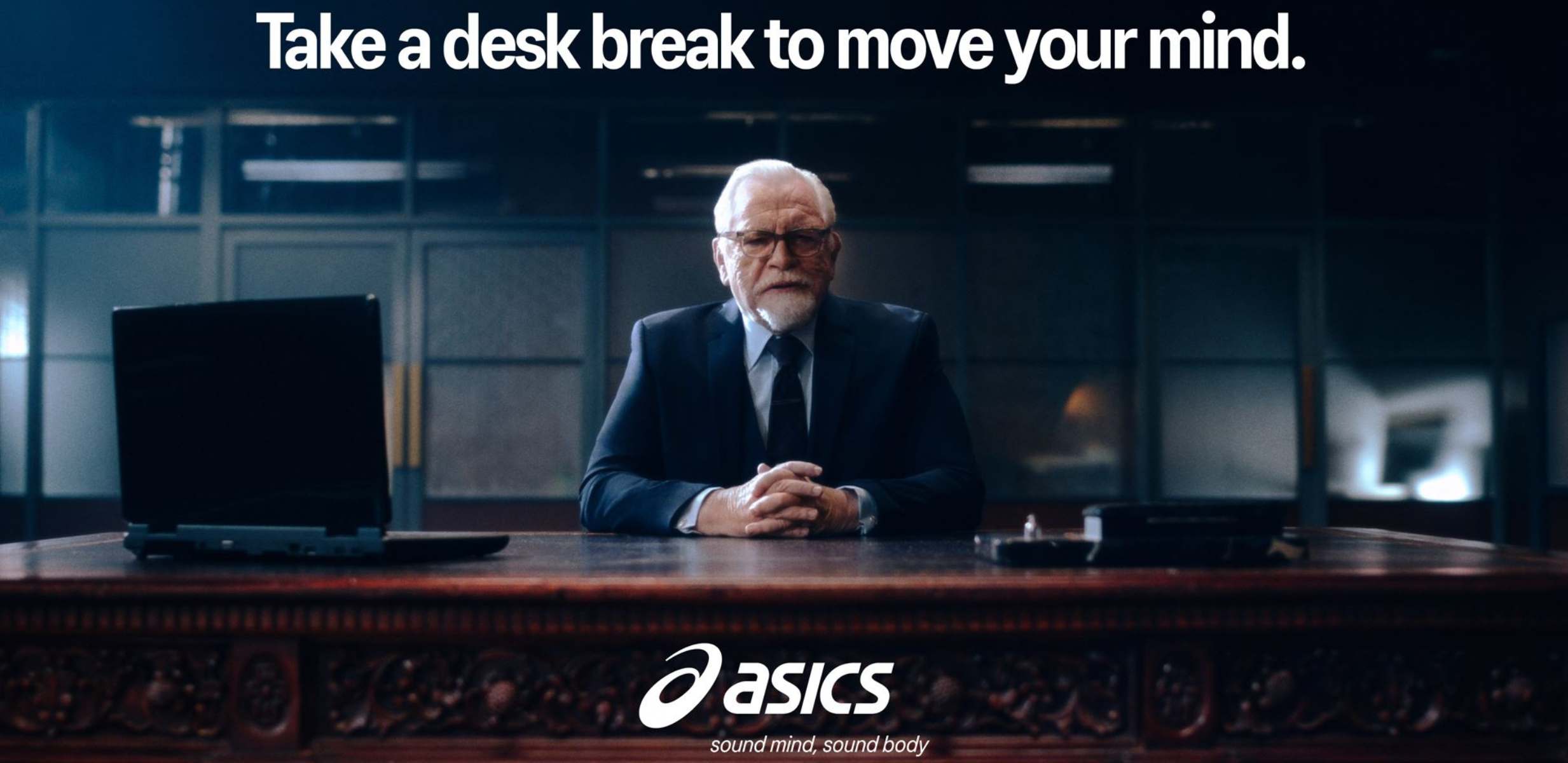
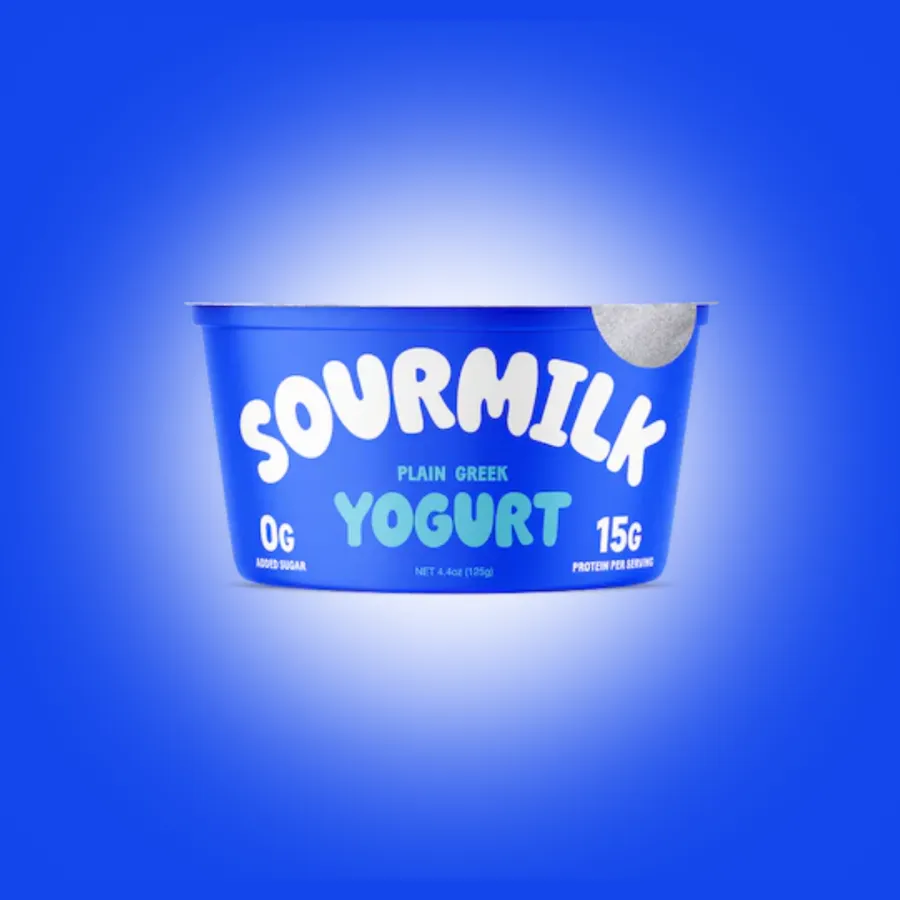
Look, I'm a poor founder, so the trolley is mostly Aldi. Anyone who tells you they're building a food brand and doing the big shop at Waitrose has a trust fund or a different definition of building. But a few brands are non-negotiable. FAGE yoghurt, because nothing else is as good. Bold Bean Co, who has somehow made me care about beans, and a bar of Tony's Chocolonely, which lasts about four seconds in our house. I should also shout out DASH Water, who sent me an eye-watering amount of drinks when we launched our new film. So strictly speaking they're not in my trolley, because I haven't needed to buy a drink since.
Where do you go to switch off?
I don't, and that's not a flex, it's awful, I can't switch off. But if I'm going to give it a go, it's the south coast. Swimming in the sea, or just being near it, that's about as close as I get.